
Thomas Pamminger & Kris Rasmussen
Fireside Chat with Kris Rasmussen, CTO at Figma
#1about 3 minutes
Kris Rasmussen's journey to Figma before its launch
The CTO recounts joining Figma in 2016 and the early vision to build a collaborative, web-based design tool for entire product teams.
#2about 3 minutes
Overcoming the technical challenges of a web-based tool
Figma initially hedged its bets with C++ and a native app before going all-in on web technologies like ASM.js to achieve high performance in the browser.
#3about 2 minutes
Evolving design abstractions for modern frontend development
Figma introduced new concepts like constraints and dynamic layouts to bridge the gap between static design and the needs of responsive, component-based web development.
#4about 2 minutes
Bridging the gap between designers and developers
Realizing that two-thirds of users were non-designers, Figma created dedicated modes and views to improve the design-to-development handoff process.
#5about 3 minutes
Balancing direct manipulation with code abstraction
The design process requires direct manipulation for early exploration, while coding requires abstraction, and Figma aims to expedite the translation between these two phases.
#6about 3 minutes
Managing feedback with exploration and execution phases
To manage collaborative input, Figma's internal process separates projects into an exploration phase for brainstorming and an execution phase focused on hitting milestones.
#7about 2 minutes
Measuring progress through artifacts instead of tasks
Focusing on tangible outputs like prototypes and demos creates a stronger sense of momentum and progress than simply tracking tasks in project management software.
#8about 3 minutes
Figma's strategy for integrating AI features
AI is used to automate tedious work like connecting prototypes, semantically renaming layers, and generating first drafts from prompts using the "Make Designs" feature.
#9about 6 minutes
The future of professional craft in the age of AI
AI is positioned as a tool to augment professional skills and expedite workflows, enabling creators to stand out rather than replacing their craftsmanship.
#10about 2 minutes
How small improvements will drive future innovation
The principle "differences in degree yield differences in kind" suggests that AI-driven speed boosts will enable faster iteration and unlock entirely new creative possibilities.
#11about 2 minutes
Creative and unexpected community uses of Figma
The platform's real-time, graphical nature has led to emergent uses like creating a temporary chat app during a Slack outage or designing floor plans.
Related jobs
Jobs that call for the skills explored in this talk.


Matching moments
03:33 MIN
Figma's evolution into a product development platform
Designing the Future of Human<>Agent Collaboration
Unlock Moments
Create a free account to watch a limited number of Moments each month.
Upgrade to PRO for unlimited access to the full archive.
Upgrade to PRO for unlimited access to the full archive.
You have an account? Log in
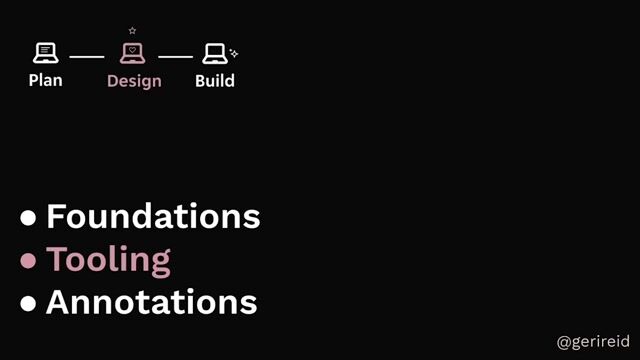
03:50 MIN
Improving design tooling and engineering handoff
Shift Left On Accessibility - Geri Reid
Unlock Moments
Create a free account to watch a limited number of Moments each month.
Upgrade to PRO for unlimited access to the full archive.
Upgrade to PRO for unlimited access to the full archive.
You have an account? Log in

02:51 MIN
Addressing the accessibility gap in modern design tools
AI and Accessibility: The Good and the Bad - Fireside Chat
Unlock Moments
Create a free account to watch a limited number of Moments each month.
Upgrade to PRO for unlimited access to the full archive.
Upgrade to PRO for unlimited access to the full archive.
You have an account? Log in
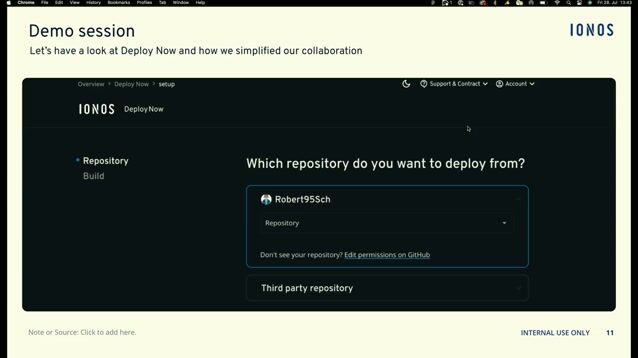
01:08 MIN
Using Figma to design and standardize UI components
Bridging the Gap
Unlock Moments
Create a free account to watch a limited number of Moments each month.
Upgrade to PRO for unlimited access to the full archive.
Upgrade to PRO for unlimited access to the full archive.
You have an account? Log in
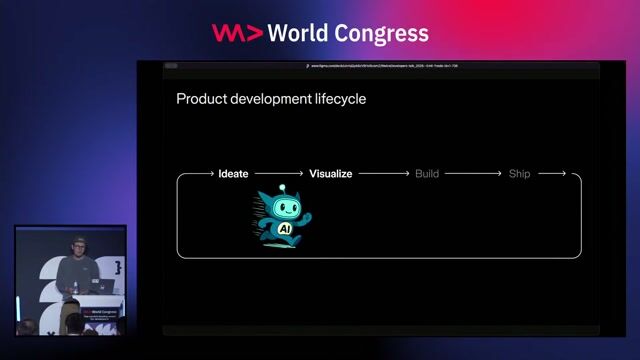
05:19 MIN
Using AI for rapid ideation with Figma Make
Designing the Future of Human<>Agent Collaboration
Unlock Moments
Create a free account to watch a limited number of Moments each month.
Upgrade to PRO for unlimited access to the full archive.
Upgrade to PRO for unlimited access to the full archive.
You have an account? Log in
03:31 MIN
Automating frontend development from Figma designs
The Alpha‑Developer of Tomorrow: Building the Future of the Software Development Lifecycle
Unlock Moments
Create a free account to watch a limited number of Moments each month.
Upgrade to PRO for unlimited access to the full archive.
Upgrade to PRO for unlimited access to the full archive.
You have an account? Log in

12:29 MIN
Q&A on WordPress, tool selection, and collaboration
How to Build Truly Production-ready Apps - Modern JS-based SaaS Stack for Indie Devs and Small Teams
Unlock Moments
Create a free account to watch a limited number of Moments each month.
Upgrade to PRO for unlimited access to the full archive.
Upgrade to PRO for unlimited access to the full archive.
You have an account? Log in
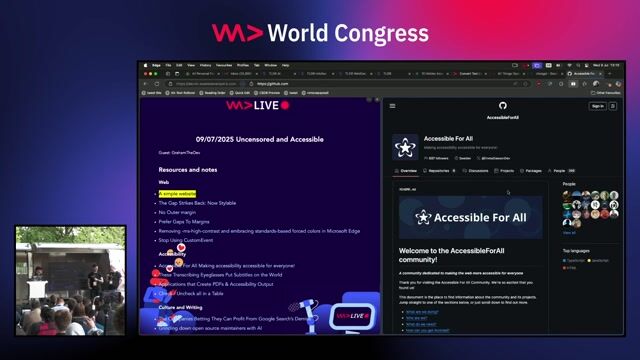
03:26 MIN
Bridging the gap between designers and developers
WeAreDevelopers LIVE - Is Software Ever Truly Accessible?
Unlock Moments
Create a free account to watch a limited number of Moments each month.
Upgrade to PRO for unlimited access to the full archive.
Upgrade to PRO for unlimited access to the full archive.
You have an account? Log in
Featured Partners
Related Videos
 29:53
29:53Bridging the gap between design and development
Jade Jiang & Noga Mann
 28:24
28:24Designing the Future of Human<>Agent Collaboration
Emil Sjölander
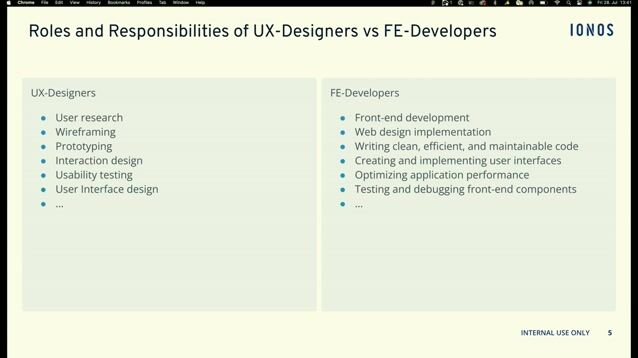 06:16
06:16Bridging the Gap
Philipp Kremer
 31:39
31:39Livecoding with AI
Rainer Stropek
 04:58
04:58NoCode LiveCode: Leveraging AI Tools to Craft Fully Functional Apps!
Karan Shetti
 39:27
39:27Design as an algorithm, not as a feature
Kaya Sohyun Kim
 32:21
32:21Design Systems and how to develop consistent and scalable products with them
Michael Siregar
 14:29
14:29Insight into AI-Driven Design
Madalena Costa
Related Articles
View all articles.png?w=240&auto=compress,format)



From learning to earning
Jobs that call for the skills explored in this talk.


Speech Processing Solutions
Vienna, Austria
Intermediate
CSS
HTML
JavaScript
TypeScript


doinstruct Software GmbH
Berlin, Germany
Senior
GIT
JavaScript
TypeScript



infomax websolutions GmbH
Grassau, Germany
Intermediate
Senior
CSS
HTML
JavaScript
TypeScript

Kresse & Discher GmbH
Offenburg, Germany
Intermediate
Senior
CSS
Figma
JavaScript

autoiXpert GmbH & Co. KG
Stuttgart, Germany
Senior
Node.js
Angular
MongoDB
TypeScript


